Short Summary An alarm flood occurs when an operator receives more alarms than they can effectively assess and respond to, commonly defined as more than 10 new alarms in 10 minutes on a single console. Alarm floods can delay critical responses, increase operator fatigue and compromise process safety. This guide explains the alarm flood benchmarks [...]

Short Summary Choosing the right tunnel pasteuriser involves more than comparing machine prices or rated capacity. This guide covers the 9 key criteria to evaluate, including throughput, thermal and PU control, product and pack compatibility, energy and water use, site utilities, automation, hygienic design, line integration and total cost of ownership. It also includes practical [...]
Short Summary Effective plant shutdown and turnaround planning starts well before the outage, with clear goals, a controlled scope, detailed work packs and early procurement. Most cost and schedule overruns can be traced back to issues such as scope creep, late materials, incomplete work packs and poor restart planning. A successful turnaround also depends on [...]
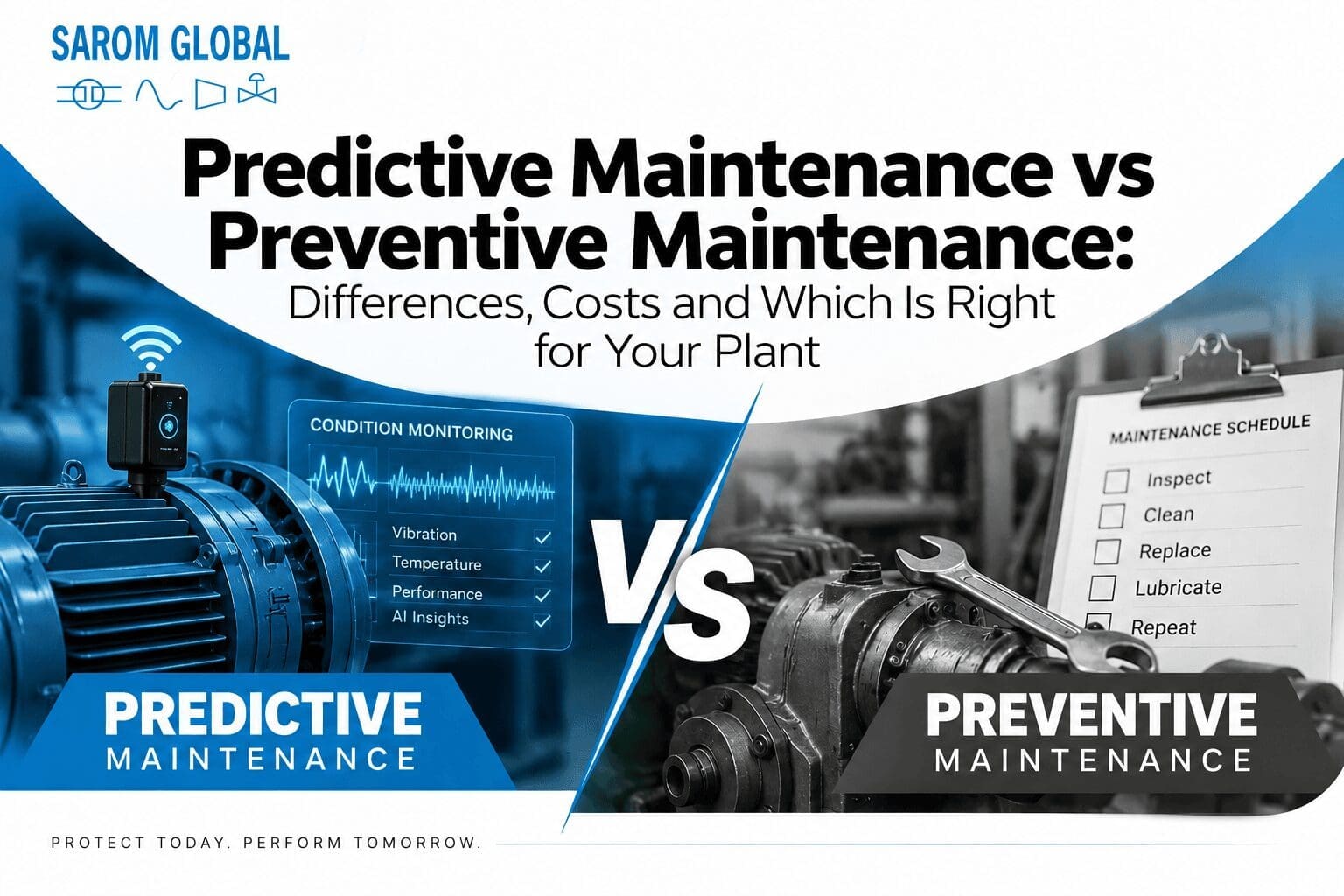
Short Summary: Predictive maintenance and preventive maintenance both help industrial plants reduce equipment failures and unplanned downtime, but they work in different ways. Preventive maintenance relies on scheduled servicing, while predictive maintenance uses real-time equipment data to identify developing faults and determine when maintenance is actually needed. This guide compares their costs, benefits, sensors, ROI [...]
Short Summary Selecting the right subsea or pipeline valve is about more than choosing a pressure class or valve type. Engineers need to consider the valve's function, pressure and temperature range, process fluid, corrosion and erosion risks, materials, actuation, testing, and applicable standards. Subsea applications add further challenges, including seawater exposure, external pressure, remote operation, [...]
Short Summary - OT Cybersecurity This blog explains why OT Cybersecurity has become a critical priority for industrial plants as IT and OT systems become increasingly connected. It highlights how modern cyber threats target operational continuity rather than just data, using real-world incidents such as Colonial Pipeline, Oldsmar Water Treatment and Stuxnet to demonstrate the [...]
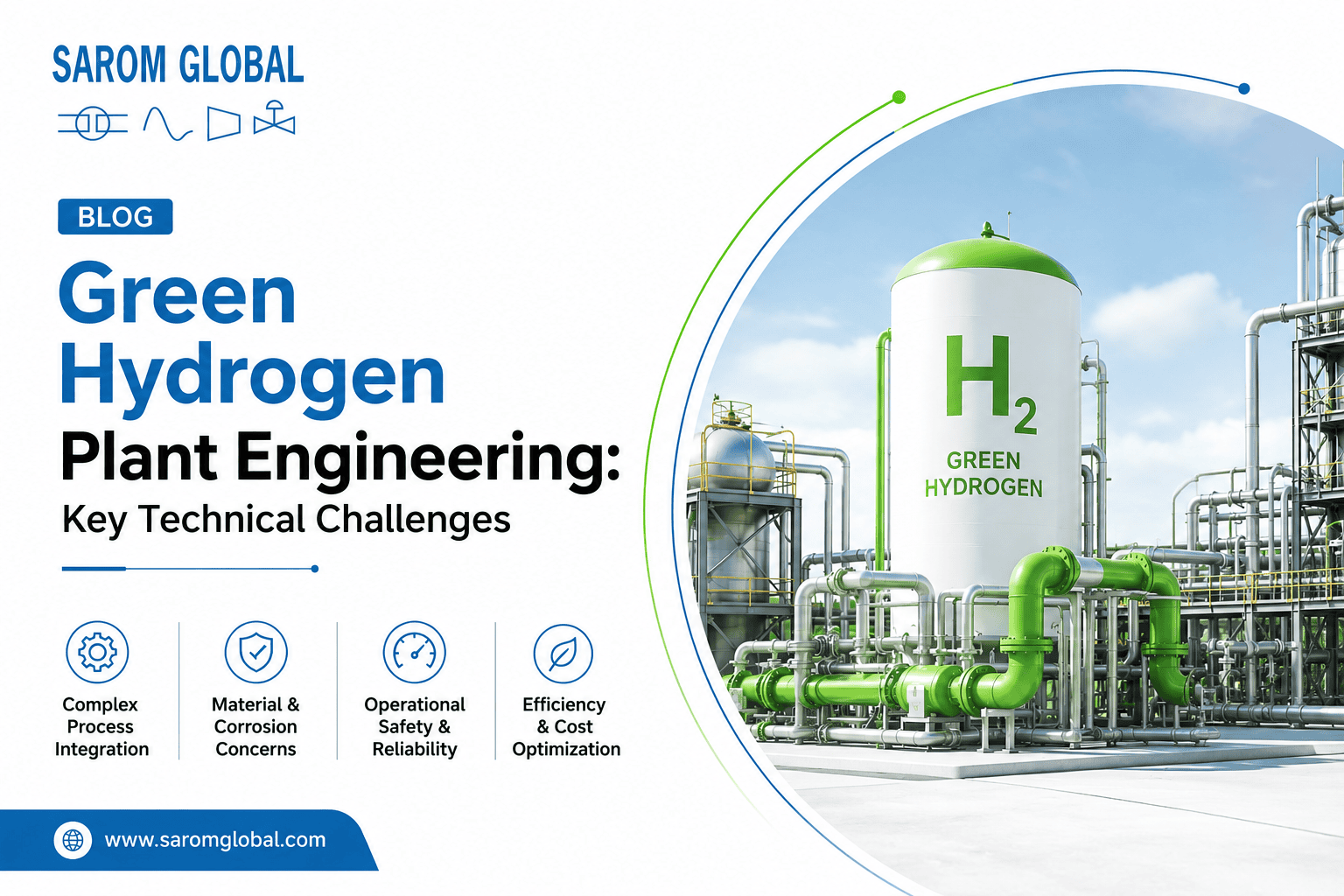
Short Summary Australia's green hydrogen industry has enormous potential, but many projects are delayed long before production begins. The biggest obstacles aren't always funding or technology—they're engineering decisions made during design, instrumentation, safety planning, and commissioning. This guide explains the key engineering challenges that make hydrogen plants fundamentally different from conventional oil, gas, and LNG [...]
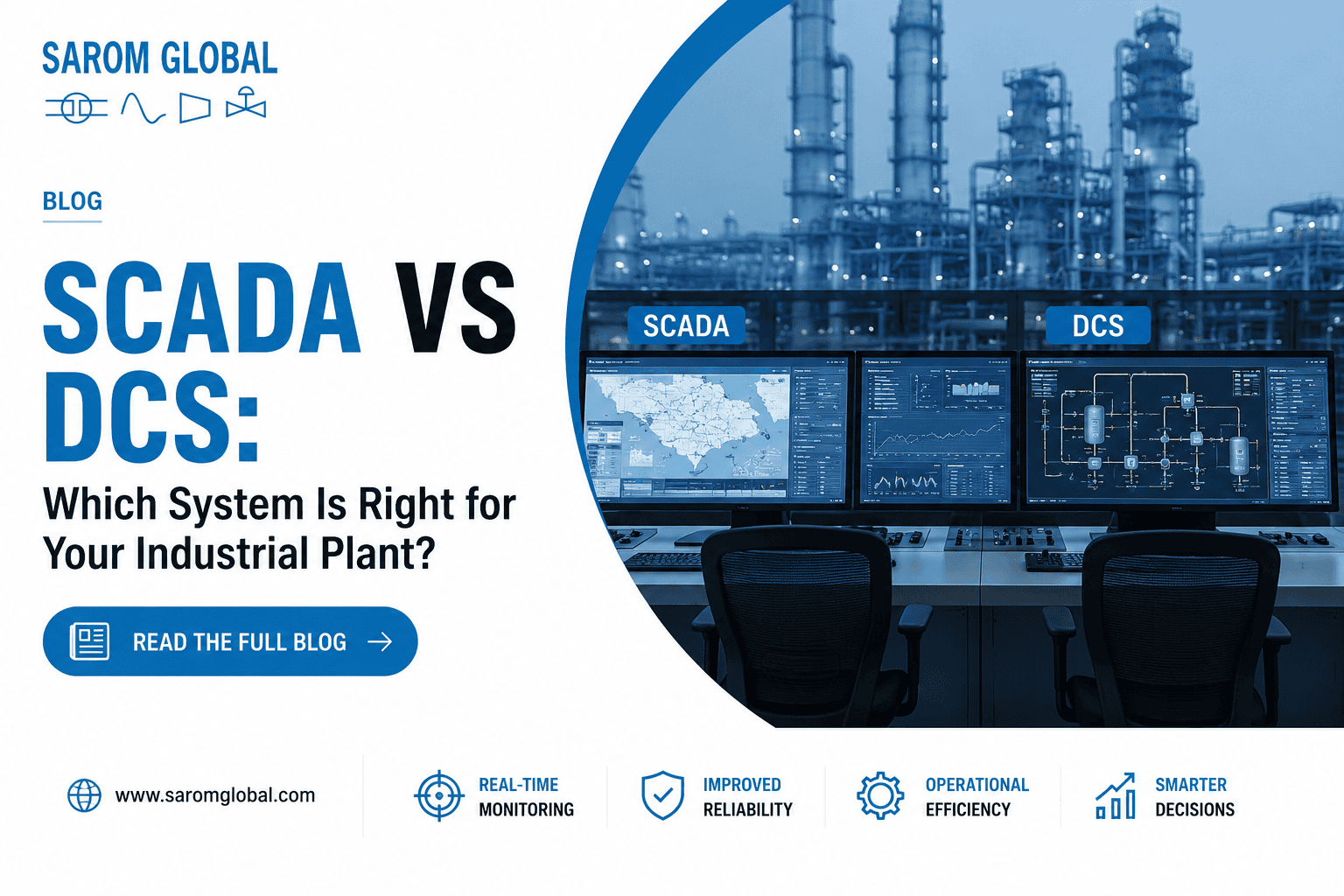
Short Answer: SCADA and DCS serve different purposes. SCADA is best for monitoring and controlling assets spread across multiple locations, while DCS is designed for continuous, high-speed control within a single plant. Many industrial facilities use both systems together to get the benefits of centralised monitoring and precise process control. Choosing between SCADA and DCS [...]
Short Answer: Retrofitting a legacy plant with IoT means adding sensors, gateways, and connectivity to existing equipment instead of replacing the entire control system. This approach gives you real-time visibility into asset performance, supports predictive maintenance, and improves operational efficiency while keeping costs and downtime much lower than a full system replacement. For most Australian [...]
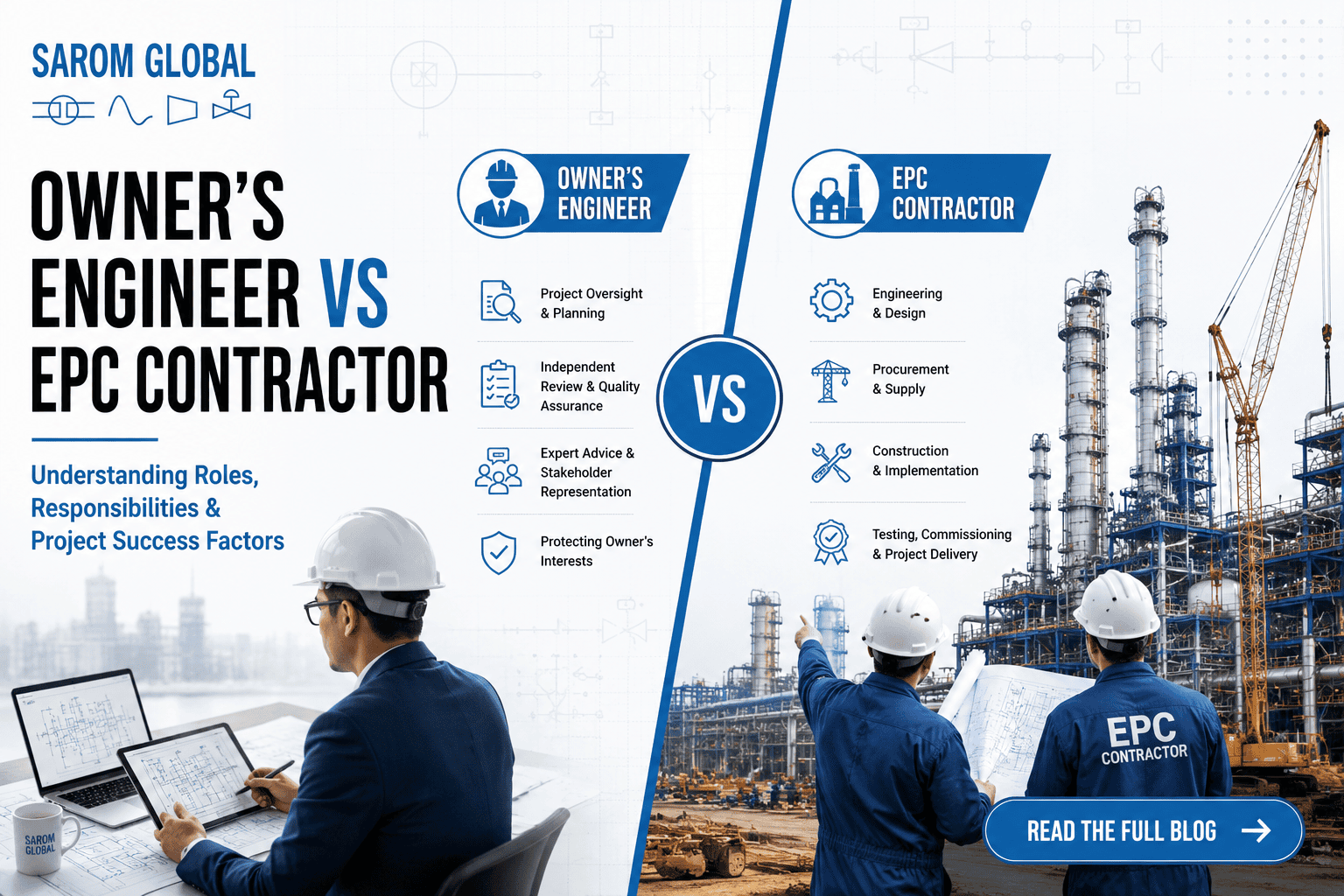
When planning a major capital project — whether it is a power generation facility, a water treatment plant, an oil and gas installation, or an industrial processing plant — one of the first questions project owners face is: who is actually looking after our interests? Many owners assume that hiring an EPC contractor is enough. [...]